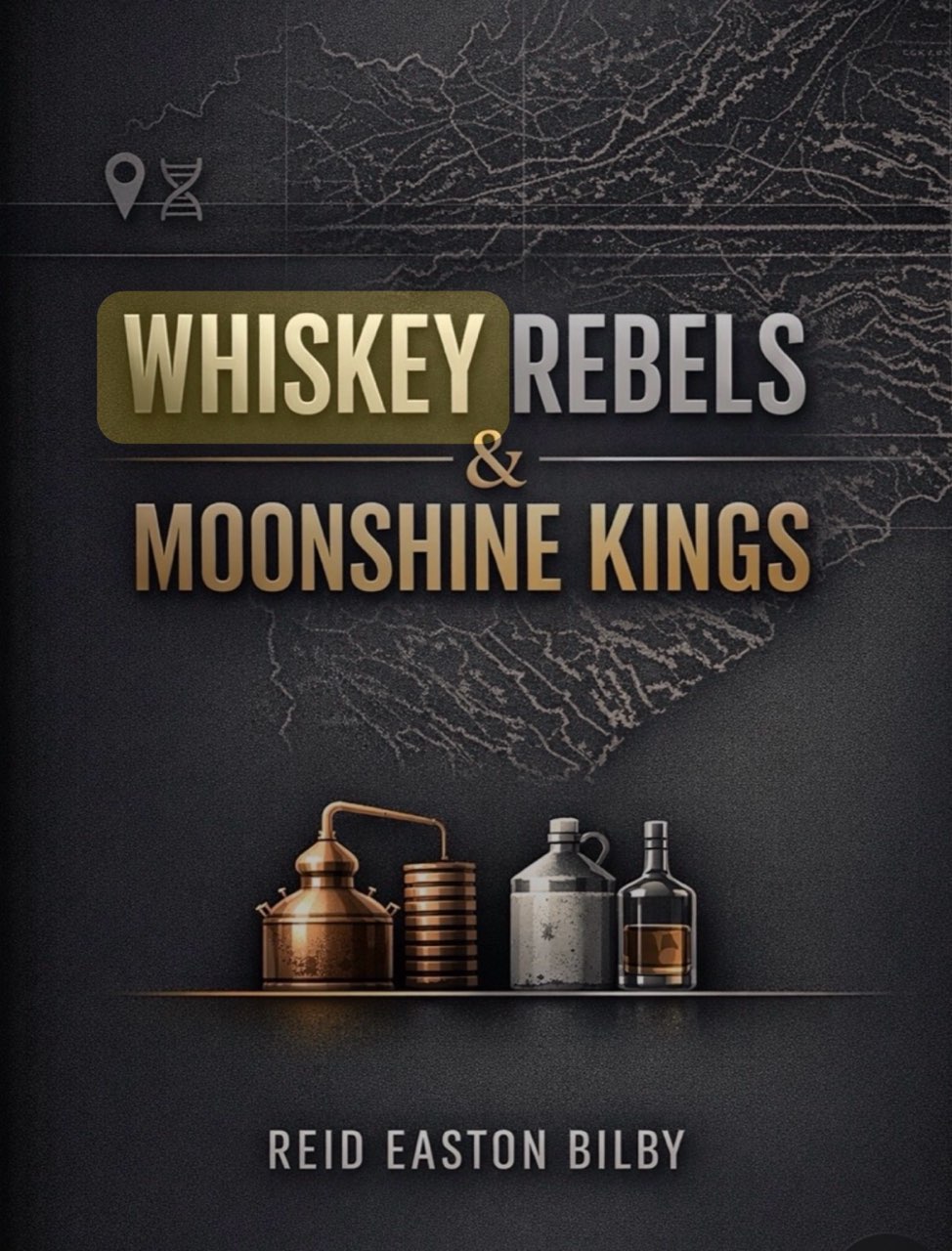
The Spirit of Appalachia and Washington’s Stand
The Whiskey Rebellion did not begin with muskets, liberty poles, or the burning of a tax collector’s home. It began in the mountains.
Long before the federal government sent troops west, the Appalachian frontier had already formed its own identity — isolated, self-reliant, and hardened by the daily grind of survival. These were families who carved farms out of rock and timber, who lived miles from their nearest neighbor, and who trusted their own hands far more than any distant politician. In this world, whiskey wasn’t a luxury. It was currency, livelihood, and the only reliable way to turn fragile grain into something that could survive a journey over the mountains.
So when the federal government imposed a tax on distilled spirits in 1791, the people of Appalachia didn’t see a revenue measure. They saw a threat.
Treasury Secretary Alexander Hamilton had pushed Congress to enact the excise tax as part of his plan to pay off the enormous debt left from the Revolutionary War. To eastern lawmakers, it was a practical solution. To the frontier, it was a direct attack on the only economic system that worked west of the mountains.
The Appalachian Spirit Meets Federal Power
The Whiskey Rebellion was more than a tax dispute. It was the collision of two visions of America:
- A frontier society built on autonomy, barter, and survival, where whiskey was the backbone of the economy.
- A new federal government asserting its authority.
A sample — not the whole book.